In the ever-evolving world of digital marketing, understanding the difference between Search Engine Marketing (SEM) and Search Engine Optimization (SEO) is essential for any business looking to enhance its online presence. Both strategies aim to improve a website’s visibility on search engines, but they do so in distinct ways. Whether you’re just starting or looking to refine your digital marketing efforts, understanding these two key concepts is crucial.
In this article, we will dive deep into SEM and SEO, their similarities and differences, their pros and cons, and how to use them effectively in your marketing campaigns.
Introduction: SEM vs SEO
Before we get into the specifics, let’s first define both SEM and SEO:
- SEO (Search Engine Optimization): This is the process of optimizing your website to naturally rank higher in organic (non-paid) search results. It involves techniques such as keyword research, content creation, on-page optimization, and link building.
- SEM (Search Engine Marketing): SEM encompasses all activities aimed at increasing a website’s visibility in search engine results pages (SERPs) through both organic SEO efforts and paid advertising (primarily Pay-Per-Click or PPC campaigns like Google Ads).
The key distinction here is that SEO is focused on organic search, while SEM includes both organic and paid search marketing.
SEO Explained: Optimizing for Organic Results
What Is SEO?
SEO is all about enhancing your website’s content, structure, and overall user experience to attract more organic traffic. The goal is to rank higher for relevant search queries without paying for those clicks. SEO can take time, but the results are often long-lasting and cost-effective in the long run.
Key Components of SEO
- On-Page SEO: This includes optimizing your website’s content, titles, meta descriptions, headers, URL structure, and images. It also involves ensuring that the content is relevant and answers the questions searchers are asking.
- Off-Page SEO: This refers to actions taken outside your website to improve its authority. Link building is a key aspect here, where backlinks from reputable websites increase your site’s credibility and search rankings.
- Technical SEO: This involves optimizing your website’s technical aspects to improve its search engine crawlability and indexation. It includes aspects like website speed, mobile-friendliness, structured data, and secure connections (HTTPS).
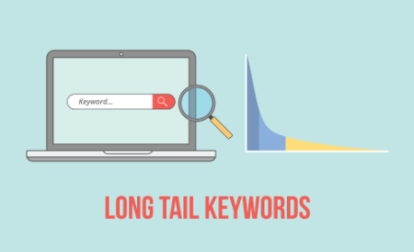
- Keyword Research: SEO starts with finding the right keywords—terms your potential customers are searching for. Using tools like Google Keyword Planner, Ahrefs, and SEMrush helps identify high-volume keywords with low competition.
Advantages of SEO
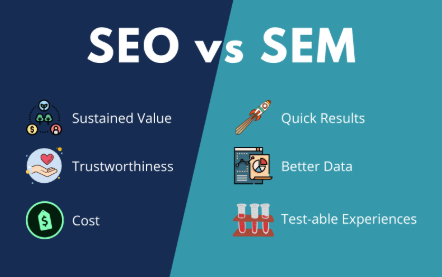
- Cost-effective: While SEO requires an investment of time and resources, it is generally more affordable than paid advertising over the long term.
- Long-term results: Once a website ranks well organically, it can continue to attract traffic without additional costs.
- Credibility and Trust: Users tend to trust organic results more than paid ads.
Disadvantages of SEO
- Takes time: It can take several months to see significant results from SEO efforts.
- Requires ongoing effort: SEO isn’t a one-time task; it requires continuous optimization and monitoring to maintain rankings.
SEM Explained: The Power of Paid Advertising
What Is SEM?
Search Engine Marketing, on the other hand, focuses on driving traffic to your website through paid ads. The most common form of SEM is Pay-Per-Click (PPC) advertising, where businesses bid on keywords to display ads on search engine result pages. Google Ads is one of the most popular platforms for SEM.
Unlike SEO, which relies on organic efforts, SEM involves paying for visibility. When users search for a keyword you’ve bid on, your ad may appear at the top or bottom of the SERP.
Key Components of SEM
- Keyword Bidding: You bid on specific keywords that you want your ads to appear for. The more you bid, the more likely your ad will appear in the top search results.
- Ad Creation: Crafting compelling ad copy and targeting the right audience is crucial in SEM. Your ad must stand out to encourage clicks, which directly impacts your return on investment (ROI).
- Budgeting: SEM campaigns require careful budgeting to ensure you don’t overspend. You pay only when someone clicks on your ad, so setting a budget helps control costs.
- Campaign Management: SEM requires continuous monitoring and tweaking. Adjusting bids, testing ad copy, and optimizing for better ROI are ongoing tasks.
Advantages of SEM
- Immediate results: With SEM, your ads can appear in search results almost instantly.
- Highly targeted: SEM allows for precise targeting by location, language, time of day, and device, providing better results for specific audiences.
- Scalability: You can scale your SEM efforts quickly by increasing your ad budget.
Disadvantages of SEM
- Cost: SEM can become expensive, especially in highly competitive industries. The cost-per-click (CPC) can add up quickly.
- Short-term results: Once you stop paying for ads, your visibility disappears immediately.
Key Differences Between SEM and SEO
1. Cost vs. Organic Reach
- SEO: Free, but requires investment in time and effort.
- SEM: Paid, requires a budget for ads and ongoing cost management.
2. Speed of Results
- SEO: Takes time (months or even longer) to see results.
- SEM: Immediate visibility in search results as soon as the ad is live.
3. Sustainability
- SEO: Long-term results. Once a page ranks, it can continue to bring traffic without further investment.
- SEM: Short-term visibility. The moment you stop paying for ads, your visibility drops.
4. Control and Customization
- SEO: Limited control over how your website ranks (you optimize your site to match search engine algorithms).
- SEM: Full control over your ads, budgets, and targeting.
5. Trust and Credibility
- SEO: Users tend to trust organic results more because they believe they are earned.
- SEM: Users may skip paid ads or perceive them as less trustworthy, although the visibility boost can drive initial clicks.
How to Use SEM and SEO Together
The best digital marketing strategies often combine SEM and SEO to maximize results. While SEO builds long-term organic traffic, SEM provides immediate visibility and can drive targeted leads. Here’s how to use both effectively:
- SEO for Long-Term Growth: Start with a solid SEO strategy to build your organic presence. Focus on on-page SEO, technical improvements, and link-building.
- SEM for Immediate Traffic: Use SEM for quick wins, such as promoting new products, seasonal offers, or targeted campaigns. This can help generate leads while your SEO efforts are taking effect.
- Data Sharing: Use data from SEM campaigns (such as keyword performance and user behavior) to inform your SEO strategy. This can help identify high-performing keywords for organic ranking.
Conclusion
In summary, both SEO and SEM are essential components of a comprehensive digital marketing strategy. SEO is the foundation for long-term success and organic growth, while SEM offers immediate visibility and targeted traffic. By understanding the differences and knowing when and how to use each approach, businesses can maximize their online presence and reach their goals effectively.
FAQs
1. Which is better, SEM or SEO?
Both strategies have their benefits. SEO provides long-term, cost-effective traffic, while SEM offers immediate results. Ideally, businesses should use both strategies together for maximum impact.
2. Can SEM work without SEO?
Yes, but SEM alone may be costly in the long run. SEO helps provide sustainable traffic without ongoing costs, so a combination of both is recommended.
3. How do I know which keywords to use for SEM?
Use keyword research tools like Google Keyword Planner or SEMrush to identify high-traffic keywords with lower competition. You can also analyze competitors’ ads for inspiration.
4. Is SEO more cost-effective than SEM?
Yes, SEO generally requires less financial investment than SEM. However, SEO takes time to produce results, while SEM can yield instant traffic.
5. How can I track the success of my SEM campaign?
Use Google Ads or other SEM platforms’ reporting tools to track metrics such as impressions, clicks, conversion rate, and cost per click (CPC).